10 Packing Mistakes That Damage Furniture During Moving

Moving home is stressful. Packing makes it harder. Many people damage their furniture before the moving van even leaves the driveway. Scratches, dents, cracks, and broken legs are common problems.
Most of this damage is preventable. The right materials and simple planning make a big difference. Using strong moving boxes also protects your items during lifting and transport.
If you are planning a house move or office relocation, avoid the mistakes below. They can cost you time and money.
Why Furniture Gets Damaged During a Move
Furniture damage usually happens for three reasons. Poor packing. Poor lifting. Poor transport.
Items shift inside boxes. Wood rubs against hard surfaces. Glass cracks under pressure. Moisture weakens materials. When boxes collapse, everything inside suffers.
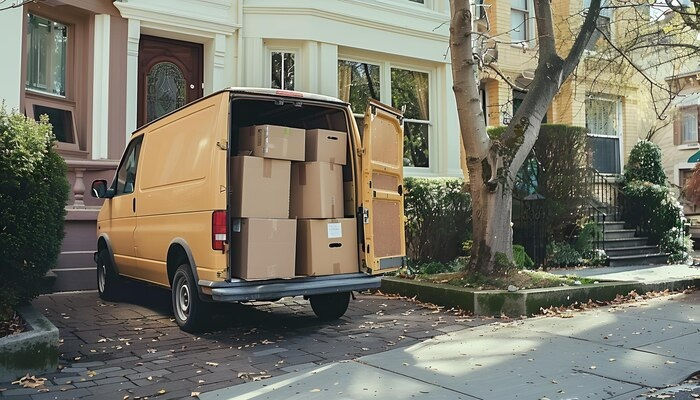
Many people underestimate the stress of transport. A moving van stops and starts often. Roads in Dublin are not always smooth. Vibration causes friction. Friction causes damage.
Proper packing materials reduce this risk. Strong cardboard, bubble wrap, and furniture blankets create protection. Planning how items are loaded into the van also matters.
1. Using Low-Quality or Weak Moving Boxes
This is the most common mistake.
Cheap boxes bend under pressure. Thin cardboard tears at the handles. Weak bases collapse when stacked.
Always choose double-walled cardboard. Check the weight rating before packing heavy items. Books and kitchenware need smaller, stronger cartons.
High-quality moving boxes in Dublin are designed for transport stress. They handle stacking and long-distance travel better than supermarket boxes.
Strong boxes protect both small items and furniture parts like shelves, drawers, and fittings.
2. Not Wrapping Furniture Properly
Many people skip wrapping to save time. This is a mistake.
Wood scratches easily. Glass shatters with small impact. Upholstered sofas stain during handling.
Use bubble wrap for fragile areas. Use furniture blankets for large surfaces. Add corner protectors to tables and wardrobes. Secure everything with stretch wrap.
Never let bare wood touch the inside of the van. Even small movement can leave visible marks.
3. Overloading Boxes Beyond Weight Limits
Heavy boxes break easily. They also cause injuries.
Do not fill large boxes with books. Spread heavy items across smaller cartons. Keep each box manageable to lift.
Overloaded boxes split at the bottom. When that happens, contents fall onto hard ground. Damage is almost guaranteed.
Balanced weight distribution keeps your belongings safe and makes loading easier for movers.
4. Leaving Empty Spaces Inside Boxes
Empty space causes movement. Movement causes impact damage.
Fill gaps with packing paper. Use towels or soft materials as cushioning. Make sure items cannot shift when you shake the box lightly.
Void fill is important for fragile items. Plates, glassware, and décor pieces need tight packing.
A well-packed box should feel compact and stable.
5. Disassembling Furniture Incorrectly
Large furniture should be taken apart before moving. But it must be done correctly.
Remove bed frames, table legs, and wardrobe panels carefully. Keep screws and bolts in labeled bags. Tape the bag to the main item if possible.
Improper disassembly weakens joints. Missing hardware delays reassembly. Forced assembly later can crack wood or strip screws.
If unsure, ask professional movers for advice.
6. Skipping Labels and Fragile Markings
Labelling saves furniture.
Mark boxes clearly. Write the room name on each carton. Add “Fragile” stickers where needed. Use arrows to show upright position.
Clear labels help movers stack boxes correctly. Fragile cartons stay on top. Heavy cartons stay at the base.
Without labels, boxes may be placed incorrectly inside the moving van. That increases pressure damage.
7. Dragging Instead of Lifting Heavy Furniture
Dragging causes floor scratches and structural stress.
Always lift furniture fully off the ground. Use lifting straps for heavy pieces. Get enough people to help.
Dragging also loosens joints. Chair legs and table frames weaken when pulled sideways.
Professional movers use proper lifting techniques. That reduces risk to both furniture and property.
8. Not Protecting Furniture from Moisture
Dublin weather is unpredictable. Rain can start without warning.
Moisture damages wood, fabric, and cardboard. Always use waterproof covers when loading outdoors. Seal boxes properly with strong packing tape.
If items go into storage, ensure the facility is dry and ventilated. Damp conditions cause swelling and mold.
Protecting against moisture is just as important as protecting against impact.
9. Using the Wrong Size Boxes
Box size matters more than people think.
Large boxes are for light items like bedding. Small boxes are for heavy items like books and tools.
When boxes are too large, items shift more. When boxes are too small, they overflow and split.
Choosing the correct moving boxes in Dublin helps with safe stacking inside the van. Proper sizing keeps weight balanced and prevents crushing.
If you are unsure, ask a removal service for guidance.
10. Attempting a DIY Move Without Professional Advice
DIY moving seems cheaper. But mistakes cost money.
Professional packers understand weight distribution. They know how to wrap delicate surfaces. They use protective blankets and strong cartons.
They also plan loading order. Heavy furniture goes in first. Fragile items are secured last.
Even if you pack yourself, consulting experts can prevent costly damage.
Choosing the Right Moving Boxes
Not all boxes are equal.
Look for double-walled construction. Check weight ratings. Choose boxes with reinforced handles.
You can find professional-grade moving boxes in Dublin in bundle packs. These often include small, medium, and large cartons. Some suppliers also offer wardrobe boxes and crate hire.
Buying quality moving boxes reduces the risk of collapse during stacking. Strong bases and thick cardboard protect against pressure damage.
Also consider eco-friendly options. Many suppliers now offer recyclable materials.
For office moves, use heavy-duty cartons for files and equipment. For home moves, choose a mix of sizes to balance weight.
Frequently Asked Questions
What type of boxes are best for heavy items?
Small double-walled boxes are best. They handle weight better and reduce lifting strain.
Where can I buy durable moving boxes in Dublin?
You can purchase moving boxes in Dublin from removal companies and specialist packing suppliers. Choose strong, rated cartons for best results.
Do professional movers provide packing materials?
Many removal services offer full packing solutions. They supply boxes, wrapping materials, and labels.
How do I protect wooden furniture during a move?
Wrap surfaces with furniture blankets. Protect corners. Avoid direct contact with hard surfaces inside the van.
Is hiring movers worth it?
For large or valuable furniture, yes. Professional handling reduces risk and saves time.
Conclusion
Furniture damage during moving is common. But it is avoidable. Most problems come from weak packing, poor lifting, or low-quality materials. Planning ahead reduces risk. Using proper wrapping and balanced weight distribution keeps items safe. Investing in strong moving boxes in Dublin is one of the smartest decisions you can make. Quality materials protect your belongings from pressure, moisture, and impact. Whether you move yourself or hire professionals, careful packing is essential. Protect your furniture properly, and your new home will start without costly repairs or regrets.


Comments